Implant Basics

Understanding Dental Implants Procedures

The video on dental implants makes a good case for choosing this option over other methods of replacing missing teeth. The technique offers several benefits over other tooth replacement measures, such as a bridge or partial denture. Although dental implants are often more expensive than other tooth replacement methods, they provide a better appearance and service and are better for oral health.

Benefits of Dental Implants

A dental implant offers greater stability when speaking and eating.


Video Source

Your dental implants will also help to support adjacent teeth to prevent further tooth loss. An implant also prevents bone loss that usually occurs from the missing root of a lost tooth.

Understanding the Dental Implant Process

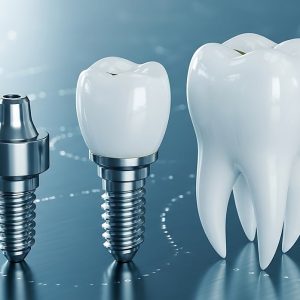
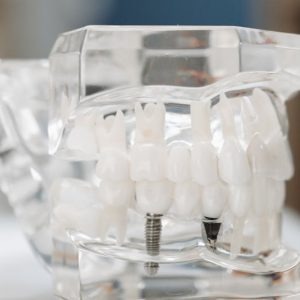
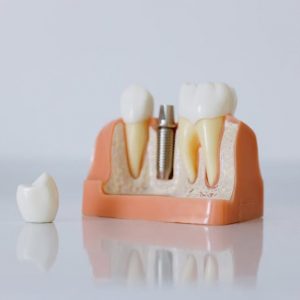
Dental implants consist of a screw-like device that is implanted into the jaw to hold a crown that looks much like the surrounding natural teeth. The screw must be surgically implanted into the jawbone, which requires a sufficient amount of bone available to hold the screw securely. Once the screw device is positioned, it must heal for several months. After the healing period, a crown is placed on the screw that matches the same color and shape of the other, natural teeth.

A dental implant will last for many years, will provide good service for eating and speaking and only requires the care you normally give your natural teeth. Dental implants have provided serviceable tooth replacement for millions of people, with no negative side effects.


Related Posts

dental implant model

How Long Do Dental Implants Last? Myths vs. Facts

Dental implants can last 10–30+ years with proper care, but their lifespan varies by patient and implant type. Oral hygiene, regular dental check-ups, and overall health are crucial…

What Are the 3 Types of Dental Implants and Which One Is Right for You?

Endosteal, subperiosteal, and zygomatic are the three main types of dental implants, each designed for different dental and bone conditions. The most popular are endosteal implants, which are…

dental implant and other remaining teeth

Permanent Dental Implants: The Complete Guide to Long-Lasting Tooth Replacement

Permanent dental implants replace both the tooth and its root, making them the most natural and stable long-term tooth replacement option. They help prevent jawbone loss by stimulating…

What are Screwless Dental Implants? A Complete Patient Guide

Screwless dental implants use advanced friction-fit and locking systems instead of screws or cement, providing a cleaner and more secure crown attachment. They reduce the risk of gum…

dental implant kit and tools

Do Dental Implants Hurt? What to Expect Before, During, and After the Procedure

Dental implants are generally not very painful due to local anesthesia and sedation during the procedure. Mild discomfort, swelling, or bruising after surgery is normal and usually manageable….

a dental implant

Understanding Different Types of Dental Implants and Their Benefits

Dental implants restore natural tooth function and appearance while supporting long-term oral health. Endosteal implants are the most common type, ideal for patients with sufficient jawbone. Subperiosteal implants…

Copyright © All Rights Reserved | Uncovering the Dental Implant Process | Sitemap