- Dental implants can last 10–30+ years with proper care, but their lifespan varies by patient and implant type.
- Oral hygiene, regular dental check-ups, and overall health are crucial factors in implant longevity.
- Common myths, like “implants last forever without maintenance,” are misleading and can lead to problems.
- Lifestyle habits such as smoking, alcohol consumption, and teeth grinding can reduce implant lifespan.
- Not all implants are the same—material, design, and type (endosteal, subperiosteal, zygomatic) affect durability.
- Early detection of pain, swelling, or loosening can prevent implant failure and costly procedures.
- Following proper care and professional guidance can ensure long-lasting function and aesthetics of dental implants.
Dental implants have become one of the most popular solutions for replacing missing teeth, offering a permanent and natural-looking option compared to dentures or bridges. However, there’s a lot of confusion surrounding their longevity. Some people believe they last forever without care, while others think they fail quickly. Understanding the facts behind dental implants can help you make informed decisions about your oral health and investment.
This article will separate myths from facts, explain factors that affect implant lifespan, and provide practical tips to ensure your dental implants last as long as possible.
How Long Do Dental Implants Last? Understanding the Truth
Many people wonder, “How long do dental implants last?” While the idea of a permanent tooth replacement is appealing, the truth depends on several factors. On average, dental implants can last anywhere from 10 to 30 years or even longer with proper care. However, patient habits, oral hygiene, and overall health play a significant role in determining their durability.
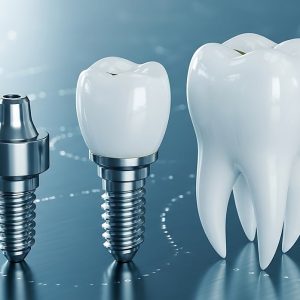
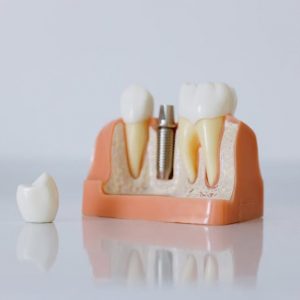
Dental implants are designed to be long-lasting, typically crafted from strong materials like titanium or zirconia. While the implant itself can endure for many years, the crown placed on top may require replacement approximately every 10–15 years as a result of everyday use. Being aware of the expected lifespan of both components helps patients set realistic expectations and make informed decisions to protect their investment.
Key takeaway: Dental implants are a long-term solution, but their longevity is influenced by health, maintenance, and lifestyle factors.
Common Myths About Dental Implant Longevity
Dental implants have many myths surrounding them, which can lead to unrealistic expectations. Let’s look at the most common ones.
Myth 1: Dental Implants Last Forever Without Maintenance
While dental implants are designed to be durable, they are not immune to problems. Poor oral hygiene, gum disease, and smoking can compromise the surrounding bone and gum tissue, causing implant failure over time.
Myth 2: All Implants Are the Same
Not all implants are created equal. The material, design, and placement technique can affect longevity. For example, the success rate of titanium implants is slightly higher than that of zirconia implants in certain cases, though both are effective.
Myth 3: You Can Ignore Regular Dental Visits
Regular check-ups are essential. Dentists monitor implant stability, gum health, and potential complications that may not be visible to the patient. Skipping appointments can allow minor issues to become major problems.
Key takeaway: Longevity myths often overlook the importance of care, oral hygiene, and professional monitoring.
Factors That Affect How Long Dental Implants Last

Several factors influence the lifespan of dental implants. Understanding these can help patients take proactive steps to ensure their implants last.
- Oral Hygiene: Brushing, flossing, and using antibacterial rinses reduce the risk of infection around the implant.
- Overall Health: Conditions like diabetes or osteoporosis can affect bone healing and implant stability.
- Lifestyle Habits: Smoking and excessive alcohol consumption are linked to higher implant failure rates.
- Quality of Implant: Different implant types, materials, and designs impact durability. Knowing what the 3 types of dental implants are can help patients choose the best option for their needs.
Key takeaway: Patient health, habits, and implant choice are crucial in determining how long dental implants last.
Signs Your Dental Implant May Need Attention
Even with proper care, implants can face issues. Being aware of warning signs can prevent failure or bone loss.
- Pain or Discomfort: Persistent pain around the implant site may indicate infection or implant loosening.
- Swelling or Redness: Gum inflammation around the implant should not be ignored.
- Movement of the Implant: Unlike natural teeth, a stable implant should never feel loose.
- Difficulty Chewing: Changes in bite or discomfort while chewing could indicate a problem with the implant or crown.
Early detection through regular dental visits allows for timely treatment, often saving the implant and preventing more extensive procedures.
Tips to Make Dental Implants Last Longer
Maximizing the lifespan of your dental implants involves both routine care and lifestyle adjustments. Here are some practical tips:
- Maintain excellent oral hygiene with brushing, flossing, and antibacterial rinses.
- Schedule regular dental check-ups for professional cleaning and monitoring.
- Avoid smoking and limit alcohol intake, which can affect bone health.
- Use a night guard if you grind your teeth, as excessive force can damage implants.
- Choose high-quality implant materials and experienced dental professionals for placement.
Following these guidelines can help ensure your dental implants last for decades, providing a stable and natural-looking smile.
Conclusion: Separating Myths from Facts
Dental implants are a reliable, long-term solution for replacing missing teeth. However, their lifespan is not guaranteed and depends on patient habits, oral health, and the quality of the implant itself. Common myths, such as the idea that implants last forever without maintenance, can mislead patients. By understanding the factors that affect longevity and taking preventive measures, dental implants can provide years of functional and aesthetic benefits.