- Endosteal, subperiosteal, and zygomatic are the three main types of dental implants, each designed for different dental and bone conditions.
- The most popular are endosteal implants, which are positioned directly into the jawbone and are ideal for people with adequate bone density.
- Subperiosteal implants sit on top of the jawbone, ideal for patients with low bone density who cannot undergo bone grafting.
- Zygomatic implants anchor into the cheekbone, providing a solution for severe upper jaw bone loss without extensive grafting.
- Choosing the right implant depends on factors like bone structure, number of missing teeth, health conditions, and lifestyle.
- Dental implants offer long-term benefits, including natural appearance, improved chewing ability, and prevention of bone loss.
- Proper care and regular dental check-ups are essential to ensure implant longevity and avoid complications.
Dental implants are now a widely chosen option for replacing missing teeth. Unlike conventional dentures or bridges, they offer a long-lasting, natural-looking solution that restores both appearance and functionality. That said, dental implants are not one-size-fits-all. There are three main types, each tailored to specific dental needs and the condition of the jawbone. Knowing the differences between them can help you make a well-informed choice, minimize risks, and achieve the best possible results.
This article will guide you through the three types of dental implants, their advantages and disadvantages, the procedures involved, and how to choose the one that best fits your unique situation.
What Are Dental Implants?
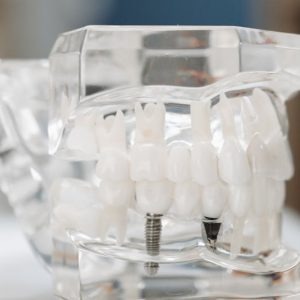
Dental implants are artificial tooth roots placed into the jawbone to support crowns, bridges, or dentures. They are typically made of titanium or zirconia, materials that integrate well with bone and are biocompatible. Unlike traditional dentures, implants provide stability, prevent bone loss, and allow patients to eat, speak, and smile confidently.
Dental implants are not one-size-fits-all. The type of implant recommended depends on the patient’s oral health, bone density, and the number of teeth that need replacing. Choosing the wrong type can lead to complications, while the right type can provide a lifetime of benefits.
Why Understanding Implant Types Matters

Selecting the proper dental implant is crucial for long-term success. The wrong implant can result in failure, infection, or discomfort. Additionally, each type has different procedural requirements, recovery timelines, and costs. Patients with severe bone loss, sinus issues, or full-arch tooth replacement may require specialized implants, while others may only need standard implants.
Knowing the three main types—endosteal, subperiosteal, and zygomatic—helps patients ask informed questions and set realistic expectations. Your dentist will assess bone health, oral conditions, and lifestyle factors before recommending the ideal option.
Understanding these types can help you make an informed decision, reduce potential complications, and ensure a successful dental outcome with permanent dental implants that last for decades.
The 3 Types of Dental Implants
Dental implants generally fall into three categories. While they all aim to replace missing teeth, their design, placement technique, and suitability differ. Here’s a detailed look at each:
1. Endosteal Implants: The Most Common Option
Endosteal implants are often the first choice for patients seeking reliable, long-term tooth replacement. They are versatile, effective, and can accommodate various restorative options, including screwless dental implants, which offer a streamlined design and easier maintenance compared to traditional screw-retained models.
How Endosteal Implants Work
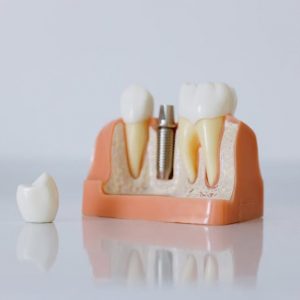
- A titanium post is inserted into the jawbone where the tooth is missing.
- Over several months, the post fuses with the bone through a process called osseointegration.
- Once stable, an abutment and crown are attached, completing the restoration.
Advantages
- High success rate, often exceeding 95%.
- Mimics natural teeth in both appearance and function.
- Suitable for most patients with adequate bone density.
Considerations
- Requires sufficient jawbone to support the implant.
- Healing time can range from 3 to 6 months.
- May require bone grafting for patients with bone loss.
Endosteal implants are often the first choice for patients seeking reliable, long-term tooth replacement. They are versatile, effective, and can accommodate various restorative options.
2. Subperiosteal Implants: Ideal for Low Bone Density
Subperiosteal implants are placed on top of the jawbone but beneath the gum tissue. Unlike endosteal implants, they do not require insertion into the bone, making them ideal for patients with insufficient bone density who cannot undergo bone grafting.
How Subperiosteal Implants Work
- A custom metal framework is designed to fit over the jawbone.
- Posts extend through the gum tissue to hold artificial teeth.
- These implants are secured under the gums and provide a stable base for dentures or bridges.
Advantages
- Suitable for patients with bone loss or those who cannot undergo extensive surgery.
- Faster healing compared to endosteal implants.
- Can support multiple teeth or full dentures.
Considerations
- Less common than endosteal implants.
- Slightly lower long-term success rate due to gum irritation risk.
- Requires accurate impressions and customization for stability.
Subperiosteal implants are particularly beneficial for older patients or those who have experienced jawbone deterioration over time. They offer a less invasive alternative when bone grafting is not feasible.
3. Zygomatic Implants: The Solution for Severe Bone Loss
Zygomatic implants are specialized implants used in cases of extreme upper jawbone loss. Instead of anchoring in the jaw, they attach to the cheekbone (zygoma), providing support for dental prosthetics without the need for extensive bone grafting.
How Zygomatic Implants Work
- Longer titanium implants are anchored into the zygomatic bone.
- These implants bypass the weak upper jawbone entirely.
- Prosthetic teeth are attached once the implants are securely in place.
Advantages
- Eliminates the need for sinus lifts or bone grafting.
- Provides stability for patients with severe upper jaw bone loss.
- Supports full-arch restorations in challenging cases.
Considerations
- Highly specialized procedure, performed by experienced oral surgeons.
- Longer and more complex surgery compared to standard implants.
- May require additional follow-up care and monitoring.
Zygomatic implants are a breakthrough for patients who were previously considered poor candidates for traditional dental implants. They restore function and aesthetics even in cases of severe bone deficiency.
How to Decide Which Type of Implant Is Right for You
Choosing the right dental implant requires a combination of professional evaluation and personal preference. Here are the key factors your dentist will consider:
- Bone Density and Structure: Adequate bone is necessary for endosteal implants. Subperiosteal or zygomatic implants may be recommended if bone is insufficient.
- Number of Teeth Missing: Single-tooth replacements may only require endosteal implants, while full-arch restorations may benefit from zygomatic implants.
- Health Conditions: Chronic conditions, smoking, or medications affecting bone healing may influence implant choice.
- Cost and Insurance: Implant types vary in cost, with zygomatic implants typically being the most expensive due to their complexity.
- Recovery Time: Healing duration differs among implant types. Subperiosteal and zygomatic implants may have quicker functional restoration in specific cases.
A comprehensive dental examination, including X-rays or 3D imaging, is essential to determine the best option.
What to Expect During the Dental Implant Procedure
The implant process can vary depending on the type chosen, but it generally involves the following steps:
- Consultation and Imaging: Your dentist evaluates oral health, bone density, and jaw structure using X-rays or CT scans.
- Implant Placement: The titanium post or framework is surgically placed into or onto the jawbone.
- Osseointegration: The implant fuses with the bone over a few months, ensuring stability.
- Abutment and Crown Placement: Once healed, a connector (abutment) and artificial tooth or prosthesis are attached.
- Follow-Up Care: Regular check-ups ensure the implant remains healthy and functional.
The complexity and duration of these steps can vary significantly based on the implant type.
Risks and Complications to Consider
While dental implants are generally safe, potential risks include:
- Infection at the implant site
- Nerve damage or tingling
- Sinus complications (especially for upper jaw implants)
- Implant failure due to inadequate bone or improper healing
- Gum recession or irritation around the implant
Most complications can be minimized by selecting the appropriate implant type, following post-operative care instructions, and maintaining excellent oral hygiene.
Benefits of Dental Implants Compared to Other Options
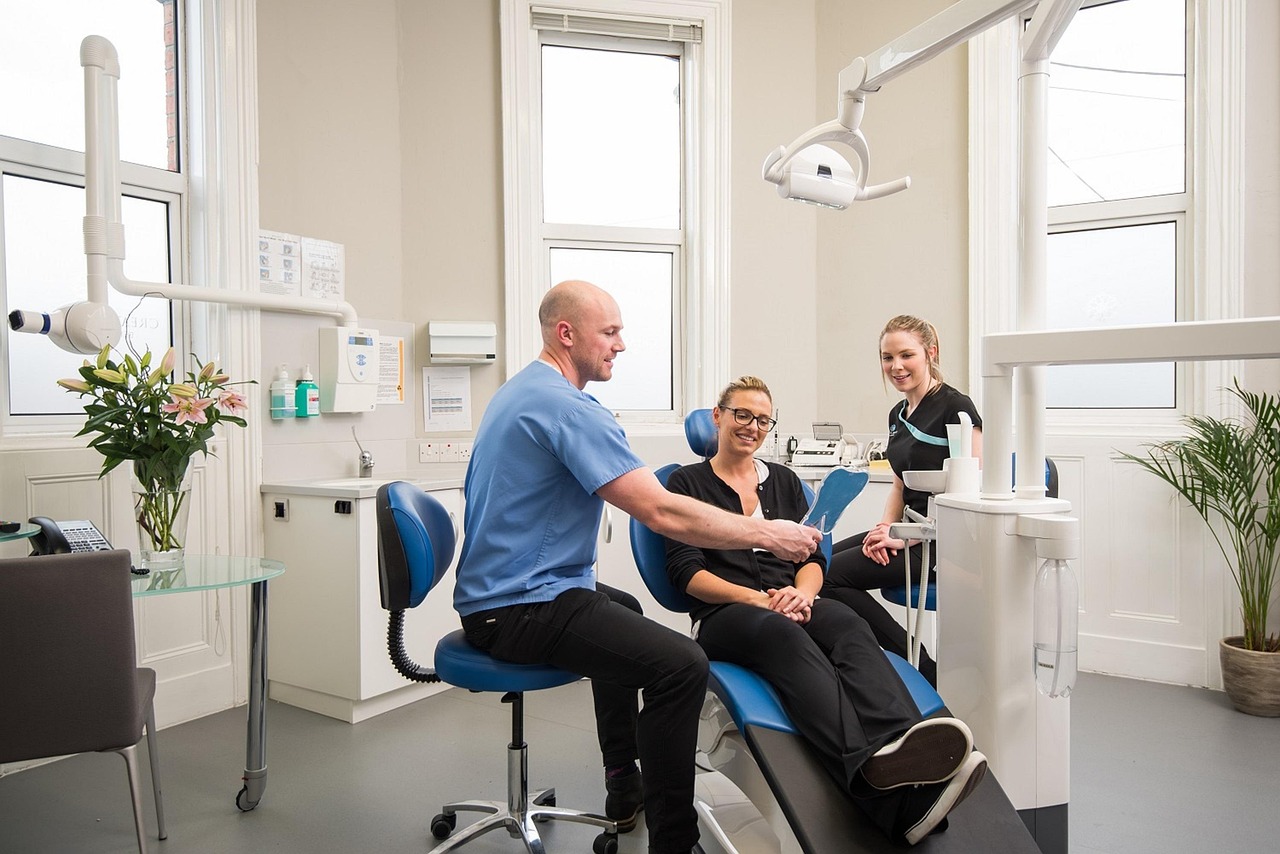
Dental implants offer several advantages over traditional dentures and bridges:
- Durability: Implants can last 20 years or longer with proper care.
- Bone Preservation: Implants stimulate the jawbone, preventing bone loss.
- Improved Function: Patients can chew and speak more naturally.
- Aesthetic Appeal: Implants look and feel like natural teeth.
- No Impact on Adjacent Teeth: When it comes to implants, there is no need to change the neighboring teeth.
These benefits make dental implants the preferred choice for long-term oral health and functionality.
Tips for Maintaining Your Dental Implants
Proper care ensures the longevity of dental implants:
- Brush twice daily with a soft-bristle toothbrush
- Floss carefully around the implant area
- Avoid chewing hard objects like ice or pens
- Schedule regular dental check-ups and professional cleanings
- Avoid smoking, as it can impair healing and increase failure risk
With consistent maintenance, dental implants can provide decades of reliable function and aesthetic improvement.
Final Thoughts: Choosing the Right Implant for You
Understanding the three types of dental implants—endosteal, subperiosteal, and zygomatic—is the first step in achieving a healthy, functional smile. The right implant depends on bone structure, health conditions, the number of missing teeth, and lifestyle preferences.
Consulting with a qualified dental professional is essential to evaluate your unique situation and recommend the most appropriate solution. Whether you need a single tooth replacement, a full-arch restoration, or a specialized implant due to bone loss, modern dental implants can restore your confidence and oral health.