- Permanent dental implants replace both the tooth and its root, making them the most natural and stable long-term tooth replacement option.
- They help prevent jawbone loss by stimulating the bone, preserving facial structure, and oral health.
- With proper care, permanent dental implants can last for decades, making them a cost-effective solution over time.
- The implant process is done in stages to ensure comfort, safety, and long-lasting results.
- Good oral hygiene and regular dental visits are essential to keep implants healthy and functional.
- Implants offer better comfort, appearance, and chewing ability compared to dentures and bridges.
Missing teeth affect more than just your smile—they can impact your speech, confidence, and overall oral health. Fortunately, modern dentistry offers a reliable solution that looks, feels, and functions like natural teeth. Permanent dental implants are now considered the gold standard for long-term tooth replacement, providing strength, stability, and natural appearance that other options often cannot match.
This complete guide explains how permanent dental implants work, who they are best for, and why they are becoming the preferred choice among dental patients seeking a lasting solution.
What are Permanent Dental Implants?
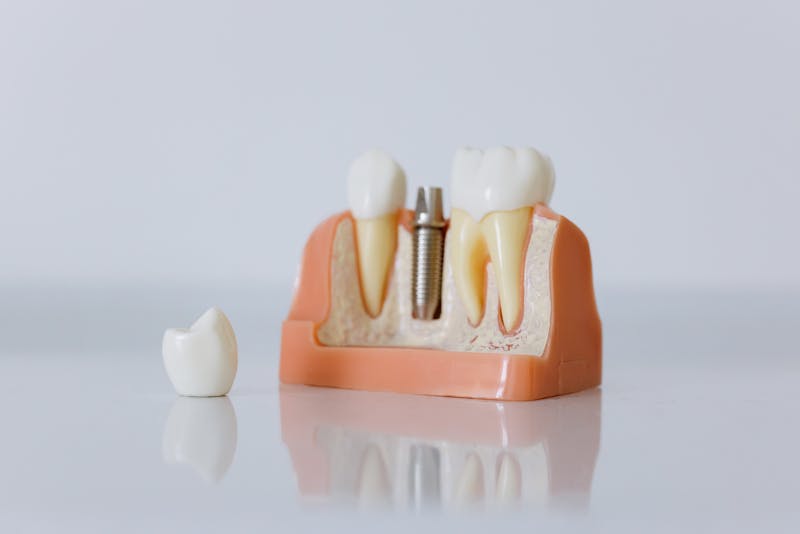
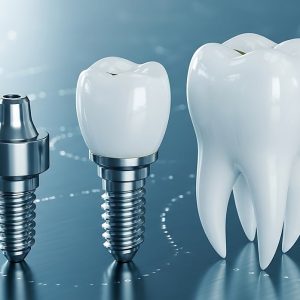
Permanent dental implants are advanced tooth replacement systems designed to restore both the visible tooth and its root. Unlike removable dentures or traditional bridges, implants are surgically placed into the jawbone to create a stable foundation that mimics natural tooth structure. This stability allows implants to support crowns, bridges, or even full-arch restorations without shifting or slipping.
Because implants fuse with the jawbone through a natural process called osseointegration, they become a permanent part of your mouth. This fusion helps maintain bone density and prevents the sunken facial appearance that can occur after tooth loss. Some modern options, including screwless dental implants, further improve comfort and aesthetics by eliminating visible access holes in the crown.
Key components of a dental implant include:
- A titanium or zirconia implant post
- An abutment that connects the post to the crown
- A custom-made crown that looks like a natural tooth
Permanent Dental Implants: Why are They Considered the Best Long-Term Option?
Permanent dental implants offer durability and functionality that go far beyond traditional tooth replacement methods. They are designed to withstand daily chewing forces while preserving the health of the surrounding bone and gum tissue. Because implants replace the tooth root, they stimulate the jawbone and help prevent bone loss over time.
Patients also prefer implants because they do not require adhesives, special cleaning solutions, or removal at night. Once placed, they feel and function like real teeth, giving you confidence in speaking, smiling, and eating. With proper care, implants can last for decades, making them a cost-effective investment in your oral health.
Benefits of choosing implants include:
- Improved chewing efficiency
- Natural appearance and comfort
- Prevention of bone deterioration
- Long-lasting performance
Who is a Good Candidate for Dental Implants?
Not everyone with missing teeth automatically qualifies for dental implants, but many patients do. Ideal candidates typically have healthy gums, sufficient jawbone density, and good overall health. Even patients who have experienced bone loss may still qualify with additional procedures such as bone grafting.
A dental implant consultation includes imaging scans, oral exams, and a medical history review to ensure the procedure will be safe and successful. Lifestyle factors, including smoking and certain medical conditions, may affect healing, but these do not always rule out treatment. Your dentist can recommend personalized solutions based on your needs.
You may be a candidate if you:
- Have one or more missing teeth
- Want a fixed, non-removable solution
- Maintain good oral hygiene habits
- Are committed to regular dental visits
What is the Dental Implant Procedure Like?
The implant process is completed in several carefully planned stages to ensure long-term success. First, your dentist prepares the jawbone and places the implant post into the bone. After placement, a healing period allows the bone to fuse securely with the implant.
Once healing is complete, an abutment is attached, followed by a custom-made crown designed to match your natural teeth. This phased approach ensures comfort, stability, and aesthetic results. While the full process may take several months, the outcome is a permanent tooth replacement that feels natural and secure.
Typical steps include:
- Initial consultation and digital imaging
- Implant post placement
- Healing and osseointegration period
- Abutment and crown placement
How Do You Care for Permanent Dental Implants?
Dental implants are easy to care for and fit seamlessly into your regular oral hygiene routine. Brushing and flossing every day, along with visiting your dentist for regular checkups, help keep the gums and nearby tissues healthy. While the implant itself does not get cavities, poor oral care can still lead to infections in the gums and bone that support it.
Dentists may recommend specialized floss or interdental brushes to clean around the implant more effectively. Regular professional cleanings ensure that plaque and bacteria do not accumulate around the implant site, preserving both function and appearance.
Care tips include:
- Brush twice daily with a soft toothbrush
- Use floss or interdental cleaners
- Schedule routine dental checkups
- Avoid smoking and excessive sugar intake
Why Choose Permanent Dental Implants Over Other Options?
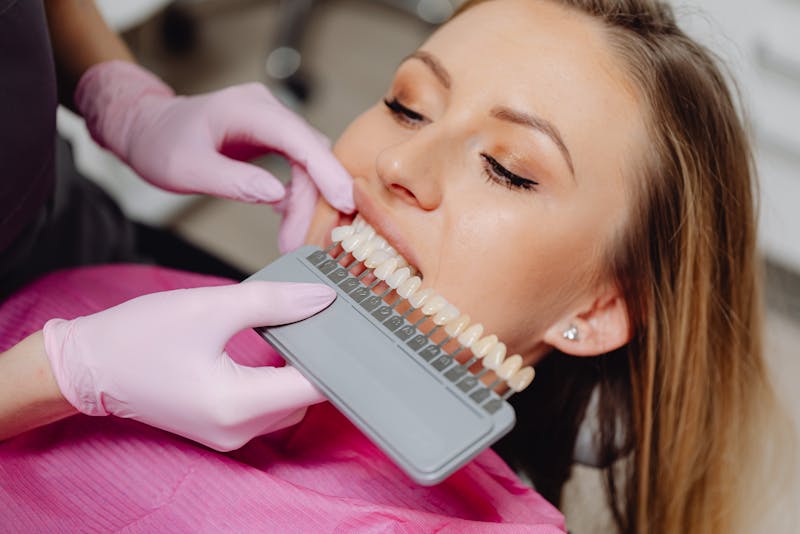
Permanent dental implants stand out because they offer unmatched stability, longevity, and natural function. Unlike dentures, they stay firmly in place and do not interfere with speech or chewing. Compared to bridges, implants do not rely on neighboring teeth for support, preserving your natural tooth structure.
Over time, the long-term durability and comfort of implants make them a preferred solution for patients seeking a permanent, worry-free alternative. They restore confidence, protect bone health, and improve overall quality of life.
Final Thoughts
Permanent dental implants are more than a cosmetic improvement—they are a long-term investment in your oral health. With modern techniques and materials, they offer predictable, lasting results that help patients regain confidence and comfort in everyday life.