- Screwless dental implants use advanced friction-fit and locking systems instead of screws or cement, providing a cleaner and more secure crown attachment.
- They reduce the risk of gum inflammation, infection, and crown loosening compared to traditional dental implants.
- Screwless implants offer more natural-looking results because there are no visible screw access holes.
- Most patients who qualify for traditional implants can also qualify for screwless dental implants.
- With proper care, screwless dental implants can last for decades and often require less long-term maintenance.
- Although they may cost more initially, screwless dental implants can be more cost-effective over time due to fewer complications and repairs.
Dental implants have transformed modern tooth replacement, offering patients a long-term solution that looks, feels, and functions like natural teeth. Over the years, implant technology has continued to evolve, leading to safer, cleaner, and more comfortable treatment options. One of the most significant innovations in recent dentistry is the development of screwless dental implants.
Unlike traditional implants that rely on screws or cement to secure the crown, screwless dental implants use advanced friction-fit and locking mechanisms to hold the restoration in place. This design reduces the risk of complications while improving comfort, hygiene, and long-term success.
This complete patient guide will walk you through everything you need to know about screwless dental implants, including how they work, their benefits, who they are best for, how they compare to traditional implants, and what you can expect before, during, and after treatment.
What are Screwless Dental Implants?
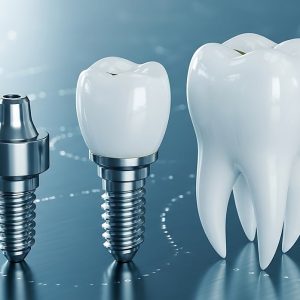
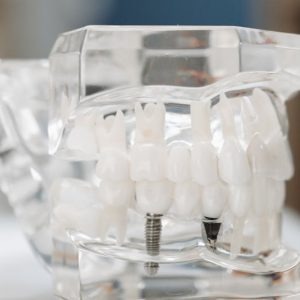
Screwless dental implants are an advanced tooth-replacement solution designed to attach the restoration to the implant post without the need for external screws or traditional dental cement. These systems use highly accurate internal locking mechanisms and friction-based connections to keep the crown securely positioned. By eliminating visible fasteners, this design enhances overall stability, supports healthier surrounding gums, and creates a more seamless, natural-looking smile.
oday, there are several types of dental implants available, including screw-retained, cement-retained, and newer screwless systems—each designed to meet different clinical needs and patient preferences.
Traditional implants typically use either a screw-retained or cement-retained crown, both of which have potential drawbacks. Screw-retained crowns can loosen over time, while cement-retained crowns can trap excess cement under the gums, increasing the risk of inflammation and infection. Screwless systems aim to eliminate these issues by offering a cleaner and more secure attachment method.
How Do Screwless Dental Implants Work?
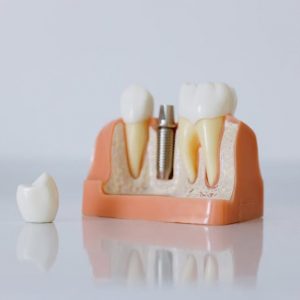
Screwless dental implants work by using an internal locking mechanism that connects the crown to the implant abutment. This creates a tight seal that resists movement and prevents bacteria from entering the connection point.
Key features include:
- A precision-milled abutment designed to lock the crown in place
- Friction-fit technology that creates stability without screws
- A sealed interface that reduces bacterial leakage
The result is a strong, natural-looking tooth replacement that minimizes complications and maximizes long-term success.
Why are Screwless Dental Implants Becoming So Popular?
Screwless dental implants are gaining popularity because patients and dentists are prioritizing comfort, cleanliness, and long-term reliability. This newer system reflects a growing shift toward minimally invasive and biologically friendly dental solutions.
Modern patients want restorations that look natural, feel comfortable, and require less maintenance. Screwless implants meet these expectations by reducing the number of components, improving gum health, and simplifying aftercare routines.
Benefits Driving Demand
Patients are choosing screwless dental implants for several compelling reasons:
- Lower risk of gum irritation and infection
- No visible screw access holes
- Improved bite comfort and stability
- Reduced chance of crown loosening
- Better aesthetic outcomes
These benefits make screwless implants especially appealing for patients who value both appearance and oral health.
Screwless Dental Implants vs. Traditional Implants: Which Is Better for You?
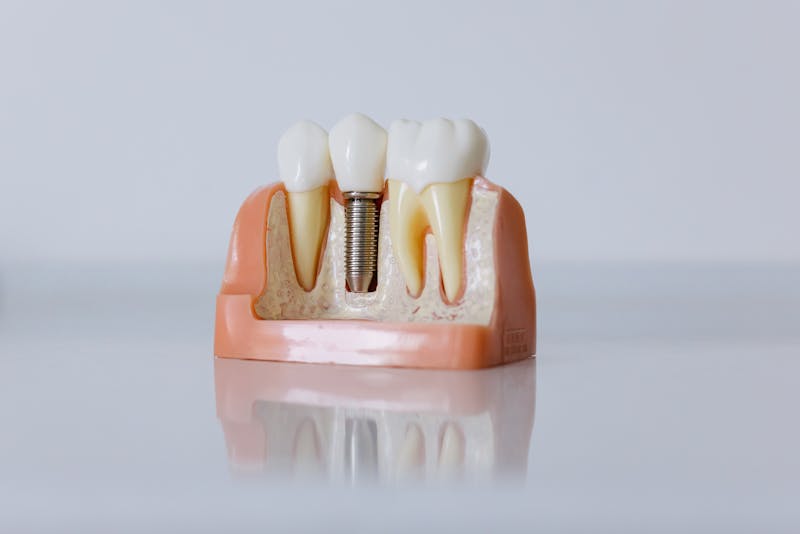
Choosing between screwless dental implants and traditional implants depends on your oral health, lifestyle, and long-term goals. Both options are effective, but they differ in design, maintenance needs, and potential risks.
Traditional implants have been used successfully for decades, but they rely on screws or cement to hold the crown in place. Screwless implants introduce a newer, more hygienic attachment method that minimizes complications. Patients who are prone to gum sensitivity, infections, or loose restorations often benefit more from the screwless approach.
Comparison Overview
| Feature | Screwless Implants | Traditional Implants |
| Crown attachment | Friction-fit locking system | Screws or cement |
| Risk of cement leakage | None | Possible |
| Crown loosening | Less likely | More common |
| Gum health | Improved | Higher risk of inflammation |
| Aesthetic results | Superior | Good |
Screwless dental implants are often better for patients seeking a cleaner, more stable, and more natural-feeling solution.
Who is a Good Candidate for Screwless Dental Implants?
Most healthy adults who qualify for traditional dental implants can also be candidates for screwless dental implants. However, certain patients may benefit more due to their oral health needs or aesthetic goals.
This implant type is particularly helpful for individuals who have experienced gum issues, sensitivity, or implant complications in the past. It is also ideal for patients who prioritize minimal maintenance and long-term comfort.
Ideal Candidates Include:
- Adults with missing teeth
- Patients with healthy jawbone density
- Individuals with sensitive gums
- Patients seeking premium, long-lasting solutions
- People who want natural-looking restorations
A dental consultation and imaging exam will confirm whether screwless implants are the best choice for your situation.
What is the Procedure for Screwless Dental Implants?
The screwless dental implant procedure follows a structured and patient-friendly process that prioritizes comfort and long-term success. While similar to traditional implant surgery, the restoration phase is more streamlined due to the simplified attachment system.
The process typically begins with a consultation, imaging scans, and a personalized treatment plan. After the implant is placed into the jawbone, a healing period allows the implant to fuse naturally with the bone.
Step-by-Step Overview:
- Consultation and imaging
- Implant placement surgery
- Healing and osseointegration
- Custom crown fabrication
- Crown locking and final placement
This modern workflow ensures precise placement, improved healing, and a natural-looking result.
How Long Do Screwless Dental Implants Last?
Screwless dental implants are designed to last for decades when properly maintained. The implant post itself can last a lifetime, while the crown may require replacement after 10–20 years depending on wear and oral habits.
The screwless design contributes to longevity by minimizing stress on the crown connection and preventing bacterial infiltration. This reduces complications that often shorten the lifespan of traditional restorations.
Factors That Affect Longevity:
- Oral hygiene habits
- Smoking or tobacco use
- Diet and grinding habits
- Regular dental visits
With proper care, screwless implants can provide long-term function and comfort.
What is Recovery Like After Screwless Dental Implant Surgery?
Recovery from screwless dental implant surgery is typically smooth and manageable. Most patients experience mild swelling and discomfort for a few days, which can be controlled with medication and rest.
The absence of screws or excess cement simplifies healing and reduces gum irritation, allowing tissues to heal more naturally around the implant. One of the most common questions patients ask is, “Do dental implants hurt?” Fortunately, most people report only mild discomfort that is easily managed with medication and rest.
Post-Surgery Tips:
- Avoid hard foods for the first few days
- Maintain gentle oral hygiene
- Use prescribed rinses
- Attend follow-up visits
These steps help ensure optimal healing and implant success.
Are Screwless Dental Implants Safe?
Screwless dental implants are considered safe and highly effective when placed by experienced dental professionals. They are manufactured using biocompatible materials and precision engineering to promote healthy bone integration and gum healing.
Clinical studies have shown comparable or improved success rates compared to traditional implants, with fewer biological complications.
Safety Advantages:
- Reduced bacterial infiltration
- Improved gum sealing
- Lower risk of peri-implantitis
- Enhanced long-term stability
These safety benefits make screwless implants a reliable solution for tooth replacement.
How Much Do Screwless Dental Implants Cost?
Screwless dental implants typically cost more than traditional implants due to advanced materials and specialized components. However, the long-term value often outweighs the initial expense.
Patients benefit from fewer repairs, reduced maintenance, and lower risk of complications, making screwless implants a cost-effective solution over time.
Cost Influencers:
- Number of implants needed
- Location of the dental clinic
- Need for bone grafting
- Type of crown material
Your dentist can provide a personalized cost estimate during your consultation.
How Do You Care for Screwless Dental Implants?
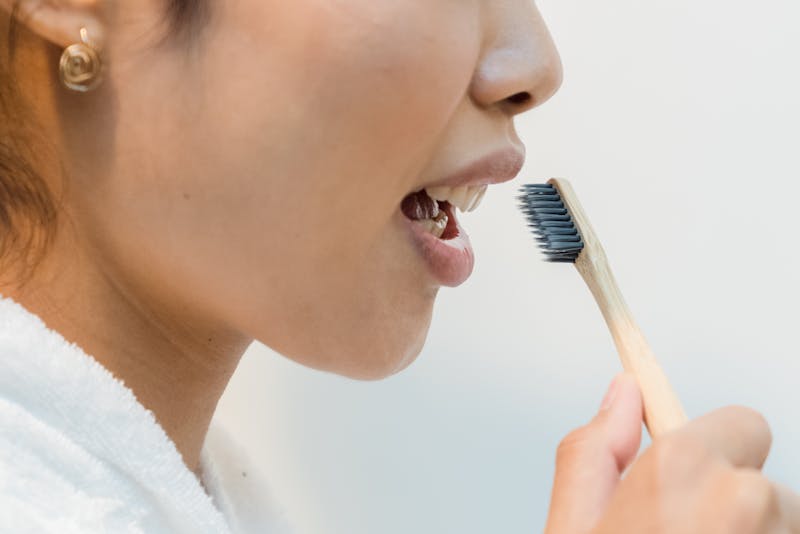
Taking care of screwless dental implants is like taking care of natural teeth. It’s important to practice daily oral hygiene and schedule regular dental visits.
The sealed design makes cleaning easier and reduces plaque accumulation around the implant.
Daily Care Tips:
- Brush twice daily
- Floss around the implant
- Use non-abrasive toothpaste
- Schedule professional cleanings
These habits help preserve your investment and protect your oral health.
Are Screwless Dental Implants Worth It?
Screwless dental implants offer patients a cleaner, more comfortable, and more reliable alternative to traditional implants. They reduce common implant complications while enhancing long-term stability and appearance.
For patients seeking premium care, improved gum health, and long-lasting results, screwless implants provide excellent value.
Final Thoughts
Screwless dental implants represent the future of tooth replacement. With improved hygiene, superior aesthetics, and enhanced comfort, they offer a modern solution that aligns with today’s patient expectations. A consultation with your dentist can help determine if this innovative treatment is right for you.