Implant Basics

Dental Implants, Explained

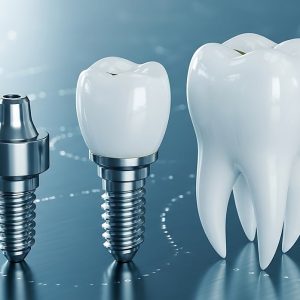
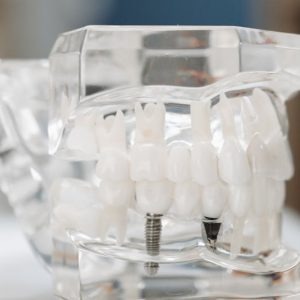
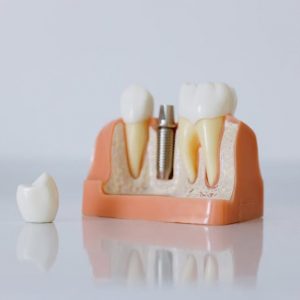
Dental implants are artificial tooth roots surgically placed into the jawbone beneath the gums. They serve as a stable foundation for replacement teeth, such as crowns, bridges, or dentures. This YouTube video highlights some of the need-to-know details about dental implant services:

Natural Appearance and Function: A dental implant looks and feels like natural teeth. They’re designed to mimic the shape, color, and functionality of real teeth, providing a comfortable and aesthetically pleasing solution.


Video Source

Durability and Longevity: Implants are known for their durability and longevity. With proper care, they can last a lifetime, making them a cost-effective long-term solution for tooth replacement.

Preservation of Jawbone: Unlike traditional bridges or dentures, implants stimulate the jawbone, preventing bone loss that typically occurs after tooth loss. This helps maintain facial structure and prevents potential oral health issues.

Improved Speech and Comfort: A dental implant doesn’t shift or slip like some removable dentures, ensuring better speech and eating comfort.

Convenience and Stability: Once integrated with the jawbone, implants provide stability and eliminate the inconvenience of removing and cleaning traditional dentures.

Enhanced Confidence: They restore confidence in one’s smile and overall appearance, as they look and function just like natural teeth.

The versatility, natural feel, and long-term benefits make dental implants a popular choice for individuals seeking a reliable and aesthetically pleasing solution for tooth replacement. However, candidacy for implants should be determined by a dentist after evaluating oral health and bone density.


Related Posts

dental implant model

How Long Do Dental Implants Last? Myths vs. Facts

Dental implants can last 10–30+ years with proper care, but their lifespan varies by patient and implant type. Oral hygiene, regular dental check-ups, and overall health are crucial…

What Are the 3 Types of Dental Implants and Which One Is Right for You?

Endosteal, subperiosteal, and zygomatic are the three main types of dental implants, each designed for different dental and bone conditions. The most popular are endosteal implants, which are…

dental implant and other remaining teeth

Permanent Dental Implants: The Complete Guide to Long-Lasting Tooth Replacement

Permanent dental implants replace both the tooth and its root, making them the most natural and stable long-term tooth replacement option. They help prevent jawbone loss by stimulating…

What are Screwless Dental Implants? A Complete Patient Guide

Screwless dental implants use advanced friction-fit and locking systems instead of screws or cement, providing a cleaner and more secure crown attachment. They reduce the risk of gum…

dental implant kit and tools

Do Dental Implants Hurt? What to Expect Before, During, and After the Procedure

Dental implants are generally not very painful due to local anesthesia and sedation during the procedure. Mild discomfort, swelling, or bruising after surgery is normal and usually manageable….

a dental implant

Understanding Different Types of Dental Implants and Their Benefits

Dental implants restore natural tooth function and appearance while supporting long-term oral health. Endosteal implants are the most common type, ideal for patients with sufficient jawbone. Subperiosteal implants…

Copyright © All Rights Reserved | Uncovering the Dental Implant Process | Sitemap