- Dental implants restore natural tooth function and appearance while supporting long-term oral health.
- Endosteal implants are the most common type, ideal for patients with sufficient jawbone.
- Subperiosteal implants provide a solution when jawbone height is insufficient, avoiding bone grafts.
- Mini implants offer a less invasive, cost-effective option, often used to stabilize dentures.
- Zygomatic implants anchor into the cheekbone for patients with severe upper jawbone loss.
- Choosing the right implant depends on bone health, oral condition, functional needs, and personal preferences.
- Proper care and regular dental checkups can ensure implants last for decades.
Losing a tooth—or several—can affect more than your smile. It can impact speech, chewing, confidence, and even the health of your jawbone. Dental implants became one of the most effective replacement options for missing teeth, offering durability, natural function, and long‑term oral health benefits. But dental implants aren’t one‑size‑fits‑all. Several types exist, each with unique uses, placement methods, and benefits.
This guide breaks down the different types of dental implants available today, how they work, and what advantages they offer so that you can understand your options before talking to a dental professional.
What are Dental Implants?
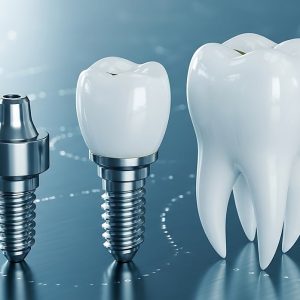
Dental implants are artificial tooth roots placed surgically into the jawbone to support replacement teeth like crowns, bridges, or dentures. They mimic the function of natural tooth roots by fusing with bone through a process called osseointegration, which gives them remarkable stability. This makes implants more like natural teeth than other tooth replacement options like traditional dentures or bridges.
Why Consider Dental Implants?
Before diving into specific implant types, it helps to understand why implants are increasingly the preferred solution for missing teeth.
Good candidates for dental implants are typically adults with one or more missing teeth who have healthy gum tissue and sufficient jawbone, or who are willing to undergo procedures that can prepare the site for implantation. Dental implants are known for:
- Restoring the look and function of natural teeth
- Preserving jawbone health by preventing bone loss
- Supporting clear speech and normal chewing ability
- Long lifespan with proper maintenance
- Protecting adjacent natural teeth
These benefits make dental implants one of the most comprehensive and permanent restorative options available.
Endosteal Dental Implants: The Most Common Choice
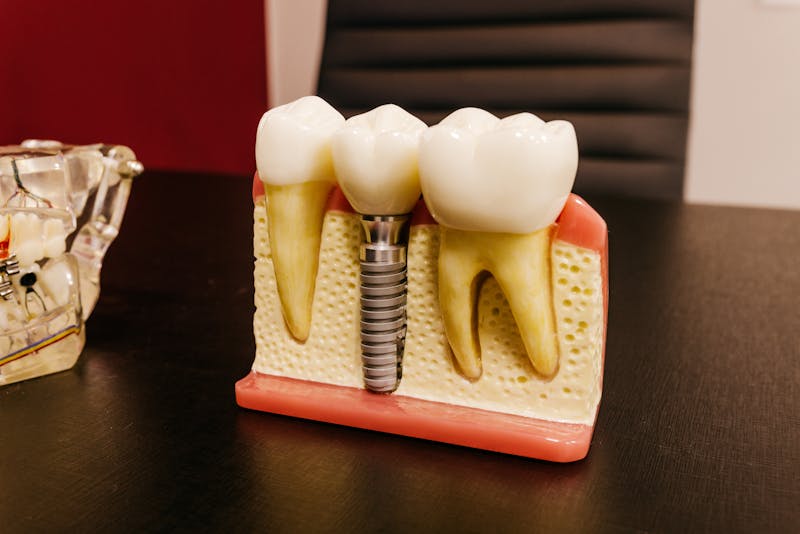
Endosteal implants are what most people think of when they hear “dental implants.” These are the most commonly used types worldwide and are often considered the “gold standard” in implant dentistry.
What are Endosteal Implants?
Endosteal implants are placed directly into the jawbone. They usually resemble small screws, cylinders, or blades made from biocompatible materials like titanium or zirconia. After the implant is placed, it requires time to fuse with the bone before attaching the final tooth restoration.
Benefits of Endosteal Implants
- High Success and Longevity – They have one of the highest long‑term survival rates among implant types.
- Natural Look and Function – By integrating with the jawbone, they act very much like natural tooth roots.
- Versatility – Endosteal implants can support single crowns, bridges, or even full‑arch restorations.
- Bone Preservation – Encourages bone growth and prevents bone loss where teeth are missing.
Who are They Best For?
Endosteal implants are ideal for most patients with adequate bone density and good oral health. If bone loss has occurred, preparatory procedures like bone grafting may be necessary before placement.
Subperiosteal Implants: Ideal When Bone Is Limited
Subperiosteal implants are an alternative to endosteal implants, particularly useful when a patient’s jawbone does not have enough height to support traditional implants.
What Are Subperiosteal Implants?
Subperiosteal implants are placed on top of the jawbone and underneath the gum tissue. A custom‑made metal framework sits on the bone, and the gum heals around it to secure it in place. Posts from the frame protrude through the gums to support prosthetic teeth.
Benefits of Subperiosteal Implants
- No Need for Bone Grafting – A major benefit for people who want to avoid more invasive surgical procedures.
- Alternative for Low Bone Height – Offers solutions when jawbone density is insufficient for conventional implants.
- Custom Fit – Fabricated to match the unique structure of the patient’s jaw.
Considerations
While helpful in specific cases, subperiosteal implants are used less often now than endosteal implants due to advancements in bone grafting and implant techniques. They may also have a slightly lower long‑term stability compared with traditional implants.
Mini Dental Implants: A Less Invasive Option
Mini dental implants are smaller in diameter than standard implants and offer a less invasive alternative.
What Are Mini Dental Implants?
Mini implants typically measure less than 3 mm in diameter (compared to standard implants that may measure 3.4–5 mm). Because of their smaller size, many mini implants can be placed quickly, sometimes even without the need for sutures.
Benefits of Mini Implants
- Less Invasive Placement – Requires smaller incisions and often minimal healing time.
- Stabilize Dentures – Commonly used to secure loose dentures for better comfort and function.
- Lower Cost Option – Less surgical time and complexity usually means lower overall cost
Limitations
While mini implants are a great option for certain applications, they are not always suitable for replacing molars or heavy‑force chewing areas due to their smaller size.
Zygomatic Implants: For Severe Jawbone Loss
These implants are a great option when traditional implant placement isn’t possible due to severe bone loss.
What Are Zygomatic Implants?
Unlike most implants that anchor in the jawbone, zygomatic implants are longer and are anchored into the cheekbone (zygoma). Because the cheekbone often retains good bone density even when the jawbone does not, this approach allows stable support without bone grafting.
Benefits of Zygomatic Implants
- Avoids Extensive Bone Grafting – For patients with insufficient jawbone volume.
- Stronger Support in Difficult Cases – Enables full‑arch teeth restorations when other implants aren’t viable.
- Potential for Immediate Loading – In many cases, temporary teeth can be placed soon after surgery.
Considerations
Zygomatic implant placement is a more technical procedure and should be done by a dentist with specialized training. It is less commonly offered and typically more expensive than other implant types.
Other Specialized Implant Techniques
Beyond these core categories, dental professionals may recommend specialized approaches based on your needs and anatomy:
All‑on‑4 and Full‑Arch Implant Techniques
- All‑on‑4 involves the use of four implants placed strategically to support a full arch of prosthetic teeth, often with immediate restoration.
Zirconia & Material Variations
- Some implants use zirconia instead of titanium for patients who prefer a metal‑free option or enhanced aesthetic results.
Immediate Load Implants
- A temporary crown is placed during the implant surgery.
These advanced techniques expand options for patients with diverse clinical scenarios.
Comparing Types of Dental Implants
Here’s a snapshot of how the major implant types differ:
| Implant Type | Placement Location | Best Used For | Bone Grafting Needed |
| Endosteal | In jawbone | In most cases, standard tooth replacement | Sometimes |
| Subperiosteal | On top of the bone but under the gum | Low bone height without grafting | Rarely |
| Mini Implants | Narrow bone areas | Denture stabilization, narrow spaces | No |
| Zygomatic | Anchored in the cheekbone (zygoma) | Severe upper jawbone loss | No |
How to Choose the Right Dental Implant
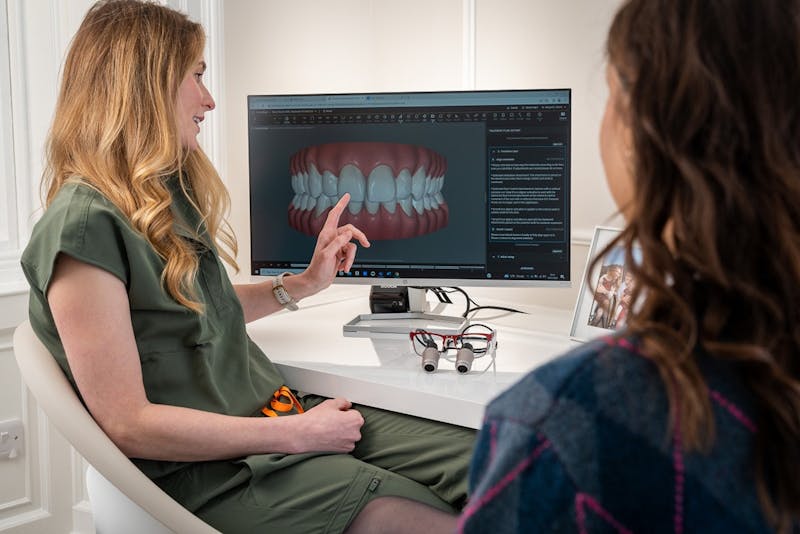
Choosing the ideal implant type depends on several factors:
- Bone density and volume – Determine if traditional implants are possible.
- Overall oral health – Gum disease or infection must be treated first.
- Functional needs – Single tooth replacement vs. full‑arch support.
- Budget & timeline – Some implants offer quicker restoration but may cost more.
- Personal preferences – Such as metal‑free options with zirconia.
A consultation with a qualified implant dentist is essential. They will assess your oral anatomy and health history to recommend the best option for your unique case.
Caring for Your Dental Implants
Once placed, dental implants require similar care to natural teeth:
- Brush and floss daily to keep gums healthy.
- Use interdental brushes for hard‑to‑reach areas.
- Attend regular dental checkups to catch issues early.
- Avoid chewing hard objects that could stress crowns.
With excellent maintenance, dental implants can last many years—often decades.
Common Risks and Considerations for Dental Implants
While dental implants offer long-lasting benefits, it’s important to understand potential risks and considerations before proceeding. Knowing these factors can help you make informed decisions and ensure the best possible outcome.
Some common considerations include:
- Surgical Risks: Like any surgery, implant placement carries risks of infection, swelling, or minor bleeding. Choosing a qualified implant specialist reduces these risks.
- Bone Density Requirements: Adequate bone is essential for implant stability. Some patients may need bone grafting or sinus lifts before placement.
- Healing Time: Implants require several months to integrate fully with the jawbone, which can extend the timeline before final restorations are placed.
- Lifestyle Factors: Smoking, uncontrolled diabetes, or poor oral hygiene can affect implant success.
By understanding these considerations and discussing them with your dentist, you can minimize complications and enjoy the long-term benefits of dental implants.
Final Thoughts
Dental implants have revolutionized tooth replacement by offering solutions that feel and function like natural teeth. Whether you’re exploring endosteal, subperiosteal, mini, or zygomatic implants, understanding these options empowers you to make better decisions about your oral health. Each type serves specific needs and offers unique benefits, from preserving bone health to stabilizing dentures.
Consult your dental implant specialist to determine which approach aligns with your goals and anatomy. A tailored solution can restore your smile, confidence, and quality of life for years to come.