- Dental implants are generally not very painful due to local anesthesia and sedation during the procedure.
- Mild discomfort, swelling, or bruising after surgery is normal and usually manageable.
- Following post-operative care instructions, such as using ice packs, soft foods, and proper oral hygiene, helps speed up healing.
- Choosing the right types of dental implants based on your oral health is essential for long-term success.
- Pain is usually temporary and minor compared to the long-term benefits of improved function, confidence, and jawbone health.
- Severe or prolonged pain should be reported to your dentist immediately.
- Dental implants are a worthwhile investment for restoring oral health and replacing missing teeth.
Dental implants have become a popular solution for replacing missing teeth, offering long-lasting results and improved oral health. However, many people hesitate to pursue this treatment because they fear pain. Understanding what to expect before, during, and after the procedure can help ease anxiety and prepare you for a smoother experience.
In this article, we’ll break down the process, address common concerns, and provide helpful tips for managing discomfort.
Understanding Dental Implants
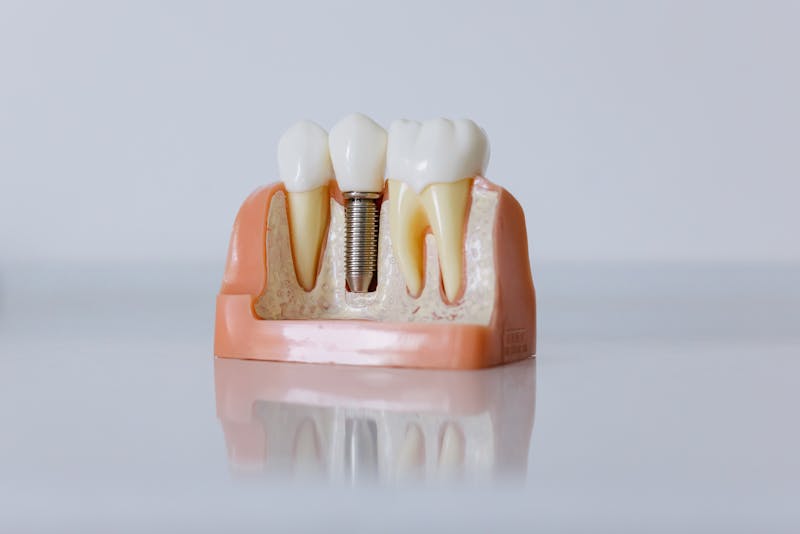
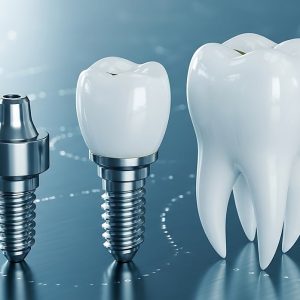
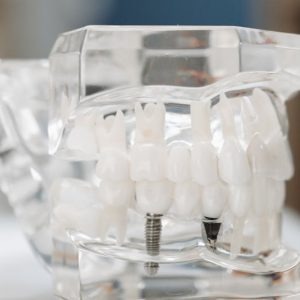
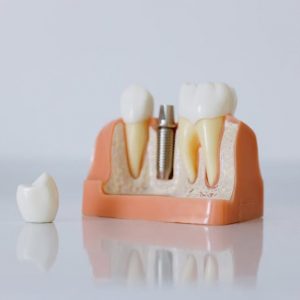
Dental implants are artificial tooth roots, usually made of titanium, that provide a permanent base for replacement teeth such as crowns, bridges, or dentures. They mimic the structure of natural teeth and integrate with the jawbone over time.
There are several types of dental implants, including endosteal (placed in the jawbone), subperiosteal (placed on top of the jawbone), and zygomatic implants (anchored in the cheekbone for patients with severe bone loss). Each type is chosen based on a patient’s oral health, bone density, and treatment goals.
Dental implants offer benefits beyond aesthetics, including improved chewing function, jawbone preservation, and long-term oral health stability. Understanding the procedure and potential discomfort can make the process much less intimidating.
Do Dental Implants Hurt During the Procedure?
Many people wonder, “Do dental implants hurt during the surgery?” The good news is that most patients experience little to no pain during the procedure itself.
Local anesthesia or sedation is used to numb the area, ensuring that the surgery is comfortable. Depending on the complexity of the case, you may also be given sedation to relax during the procedure. Dentists carefully plan the placement to minimize tissue damage, which reduces discomfort during the operation.
While some pressure or mild vibrations may be felt, it is generally manageable. Skilled dental professionals take steps to ensure the process is as pain-free as possible, allowing patients to focus on the long-term benefits rather than the temporary sensations during surgery.
What to Expect Before Your Dental Implant Surgery
Preparation is key to reducing anxiety and discomfort during dental implant placement. A thorough evaluation helps your dentist determine the best type of implant for your needs.
- Dental Exam: Includes X-rays and 3D scans to assess bone density and plan precise placement.
- Medical History Review: Ensures that any health conditions or medications are considered.
- Pre-Surgery Instructions: You may be advised to avoid certain foods, medications, or alcohol before surgery.
Mental preparation is just as important. Knowing what to expect can reduce stress, which in turn helps your body respond better to the procedure and recover more quickly.
What Happens After the Surgery?
Post-operative care is crucial for healing and minimizing discomfort. Many patients experience some swelling, bruising, or minor bleeding in the first few days.
Pain is usually manageable with over-the-counter medications or prescription pain relievers if needed. Your dentist may also recommend:
- Ice Packs: Apply to reduce swelling and discomfort.
- Soft Foods: Stick to gentle, easy-to-chew foods for a few days.
- Oral Hygiene: Rinse gently with saltwater or antiseptic mouthwash.
- Rest: Avoid strenuous activity for at least 24-48 hours.
Healing time varies, but most patients notice improvement within a week. Complete integration of the implant with the jawbone can take several months, during which regular follow-ups are essential.
Managing Pain and Discomfort

Even though dental implants are generally not very painful, knowing how to manage discomfort can make the process smoother.
- Follow Your Dentist’s Instructions: This is the most effective way to prevent complications and minimize pain.
- Stay Hydrated: Water helps your body heal faster and reduces irritation.
- Use Recommended Medications: Over-the-counter painkillers or anti-inflammatory drugs can help control discomfort.
- Avoid Smoking: Nicotine can delay healing and increase the risk of complications.
Remember, some tenderness is normal, but severe or prolonged pain should be reported to your dentist immediately.
Are Dental Implants Worth the Discomfort?
While some temporary discomfort is common, the benefits of dental implants often outweigh the brief period of recovery. Implants restore function, improve confidence, and help maintain jawbone health.
Most patients agree that the initial discomfort is minor compared to the long-term advantages. With proper care and guidance from your dentist, the process can be surprisingly manageable.